.svg)









































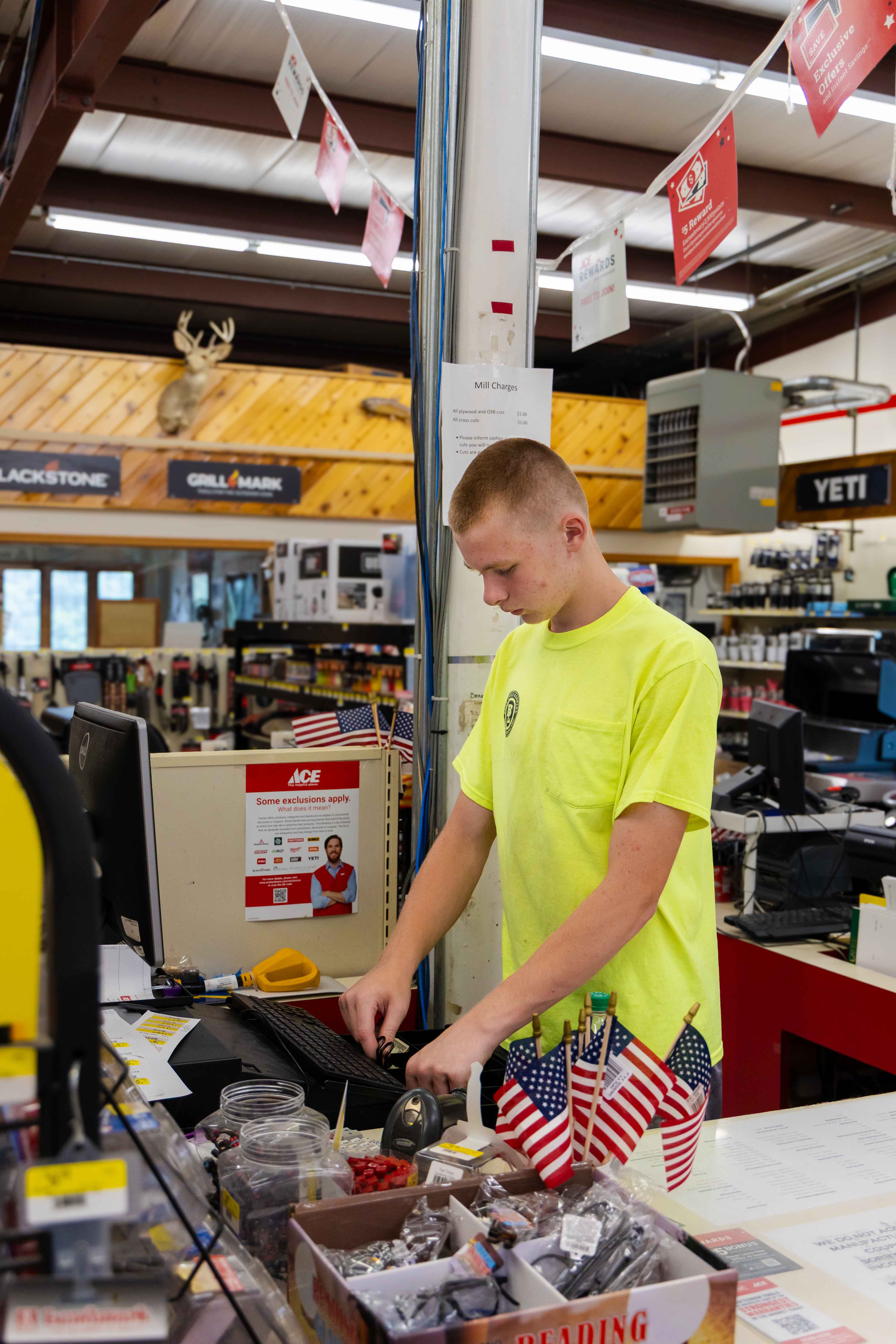
Since Michigan’s Youth Employment Standards Act was enacted in 1978, the world of work has transformed dramatically from the 1980s through the digital boom of the 2000s to today’s mobile-first economy. Once, teens delivered newspapers; now they manage social media, robotics, and remote tasks alongside school. To keep pace, our system for managing youth employment must evolve as well.
Empowering Youth Through Employment
Earning a paycheck teaches teens responsibility, teamwork, financial literacy, and time management. These formative experiences prepare them for future careers while building character and fostering independence. Our goal is to support these opportunities, not hinder them.
A Proactive Shift: From School Permits to State-Led Education
Historically, schools issued and revoked work permits, activating our oversight only when complaints arose. That approach tended to be reactive, while only stepping in after issues surfaced.
Effective October 2, 2026, Public Act 196 of 2024 transfers all work-permit responsibilities from schools to the Michigan Department of Labor and Economic Opportunity (LEO), Wage and Hour Division. A centralized online portal will enable minors and employers to register, apply for permits, and track employment in real time. Schools will be relieved of administrative duties, allowing educators to focus exclusively on teaching our young scholars.
The new system means:
- Proactive oversight: We’ll have real-time records of where youth are employed and whether employers comply.
- Preventative engagement: LEO can reach out early, building partnerships through guidance, compliance support, and training.
- Transparency and accountability: Authorized youth-employing businesses will be listed in a state-maintained database.
Strengthened Protections
The law also tightens hourly restrictions for 14- and 15-year-olds to align with Federal requirements.
During the school year (Labor Day–May 31), minors may work 7 a.m.–7 p.m., max 3 hours/day and 18 hours/week.
Summer hours (June 1–Labor Day) extend to 7 a.m.–9 p.m., up to 40 hours/week.
A Collaborative Vision
As Director of Labor, I am committed to reframing our approach from reactive enforcement to collaborative education. By partnering directly with employers, families, and schools, we can ensure a safe, enriching work environment for all youth. This new model empowers students with real-world experience while safeguarding their well-being and keeping education, safety, and opportunity at the forefront.
To learn more about laws that provide for the legal employment and protection of minors visit: https://www.michigan.gov/leo/bureaus-agencies/ber/wage-and-hour/youth-employment-standards-act-yesa.
Randall Harrison
Acting Senior Deputy Director of Labor, Office of Labor,
Michigan Department of Labor and Economic Opportunity
.svg)