.svg)







































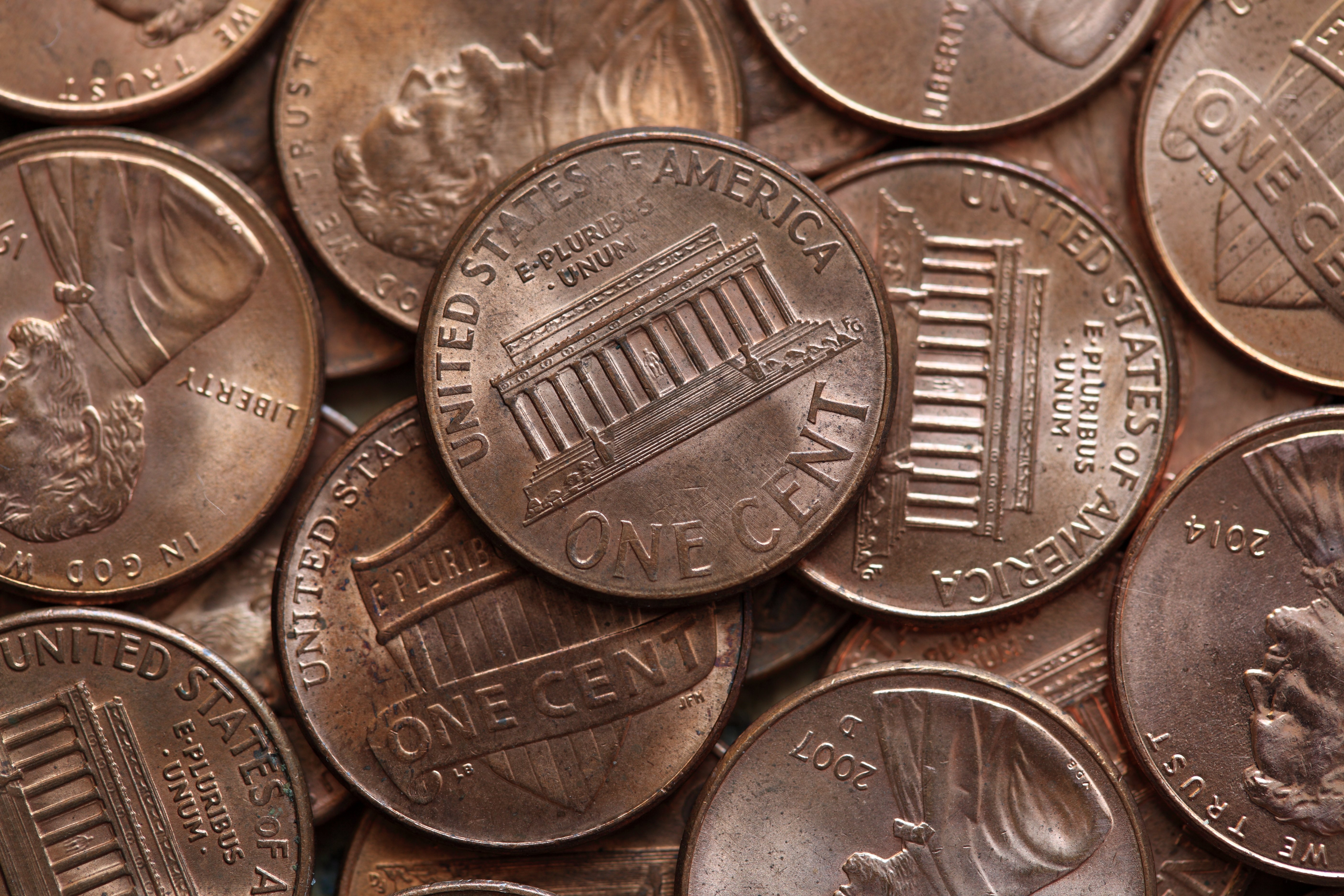
This year, the United States Treasury stopped minting the penny, which, for many years, has cost more to produce than it’s worth. Especially given the rise of paying by card, or even by phone, the humble one-cent coin has diminished in utility over the years. Phasing it out is a fiscally prudent measure, but not without a new suite of problems.
The change happened abruptly, with only a few months between the President’s directive on social media and the final penny being minted in Philadelphia. Adding to the confusion, the process began with no clear guidance from federal, state, and local governments, each of whom has a role to play in regulating transactions.
Without a one-cent coin, retailers must decide whether to round transactions up or down to the nearest nickel for cash transactions, but that decision is fraught with potential legal vulnerability.
Federal: SNAP Equal Treatment Provisions
For example, SNAP-authorized retailers are required to follow the program’s equal treatment provisions, meaning that a transaction using an EBT card can’t be treated differently than other types of payment. If a retailer rounds a transaction down for a cash payment, that customer might pay a slightly lesser amount than an identical purchase with an EBT card, potentially violating the equal treatment provision.
State: Taxes and Minimum Pricing Laws
The Michigan Department of Treasury will release guidance soon on the collection and transmission of taxes when retailers are forced to round for cash transactions. The Department of Licensing and Regulatory Affairs, which sets state minimum prices for spirits, says retailers must round up to the nearest nickel to avoid a potential violation.
Local Ordinances Regulating Transactions
Some local municipalities, including the City of Detroit, also have ordinances prohibiting discrimination between different types of payment. Rounding cash transactions up or down could run afoul of these local rules, too. MRA is working with the appropriate entities at the federal, state, and local level to get clarity to retail members as soon as possible.
.svg)