














PCI Compliance Matters
Businesses that accept payment cards must comply with applicable Payment Card Industry Data Security Standards (PCI DSS). Depending on how you process payments, you may be required to complete an annual Self-Assessment Questionnaire (SAQ) and other validation requirements.
Make sure your PCI compliance is current to help protect cardholder data and avoid potential non-compliance fees.

Follow Surcharge Rules
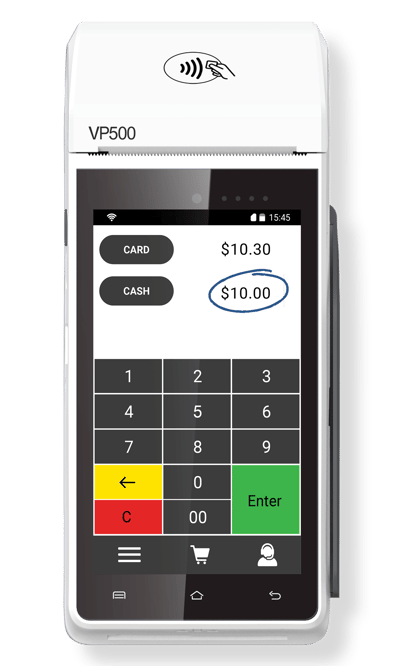
Surcharge programs allow businesses to offset a portion of their credit card processing costs by passing a fee along to customers. However, strict rules apply.
Debit and prepaid cards cannot be surcharged, required disclosures must be provided, and surcharge amounts must stay within applicable limits.
Non-compliance could result in costly penalties from the card brands. Stay informed and make sure your surcharge program follows current requirements.
Use Multiple Layers of Protection
Card testing occurs when fraudsters use stolen card information to attempt small or automated online transactions.
Protect your business by enabling multiple security measures, including bot detection, CAPTCHA, Address Verification Service (AVS), Card Verification Value (CVV), velocity controls, transaction limits, and suspicious activity alerts.
Regular transaction monitoring adds another important layer of protection.

Verify Cardholder Information
Card-not-present transactions carry an increased risk of fraud.
When accepting payments by phone or mail, use Address Verification Service (AVS) to verify the cardholder's billing address and ZIP code.
If the information does not match, take additional steps to verify the transaction or consider requesting another form of payment.

Process Refunds Promptly
Process customer refunds promptly and, whenever possible, return funds to the original payment method.
Clearly communicate your refund and cancellation policies before completing a sale.
Timely refunds and transparent policies can help reduce customer disputes and potential chargebacks.

Keep Good Records
A chargeback occurs when a customer disputes a transaction through their card issuer.
Maintaining clear transaction records can help you respond to disputes.
Supporting documentation may include signed authorization forms, sales receipts, customer emails or text messages, signed estimates, and proof of delivery or completed services.
The more relevant documentation you retain, the better prepared you'll be if a dispute occurs.

Review Your Coverage
A data breach can result in significant financial losses, including investigation expenses, recovery costs, and potential penalties.
Review your data breach protection coverage to understand what is included and whether your business has adequate protection.
Michigan Retailers Association offers eligible merchants up to $100,000 in data breach protection.
Know What You're Paying For
Not all processing costs are reflected in your advertised rate.
Review your merchant statement and agreement for additional fees, including PCI compliance or non-compliance fees, early termination fees, data breach protection fees, monthly minimums, and other service charges.
Understanding your complete fee structure can help you avoid unexpected expenses.