.svg)








































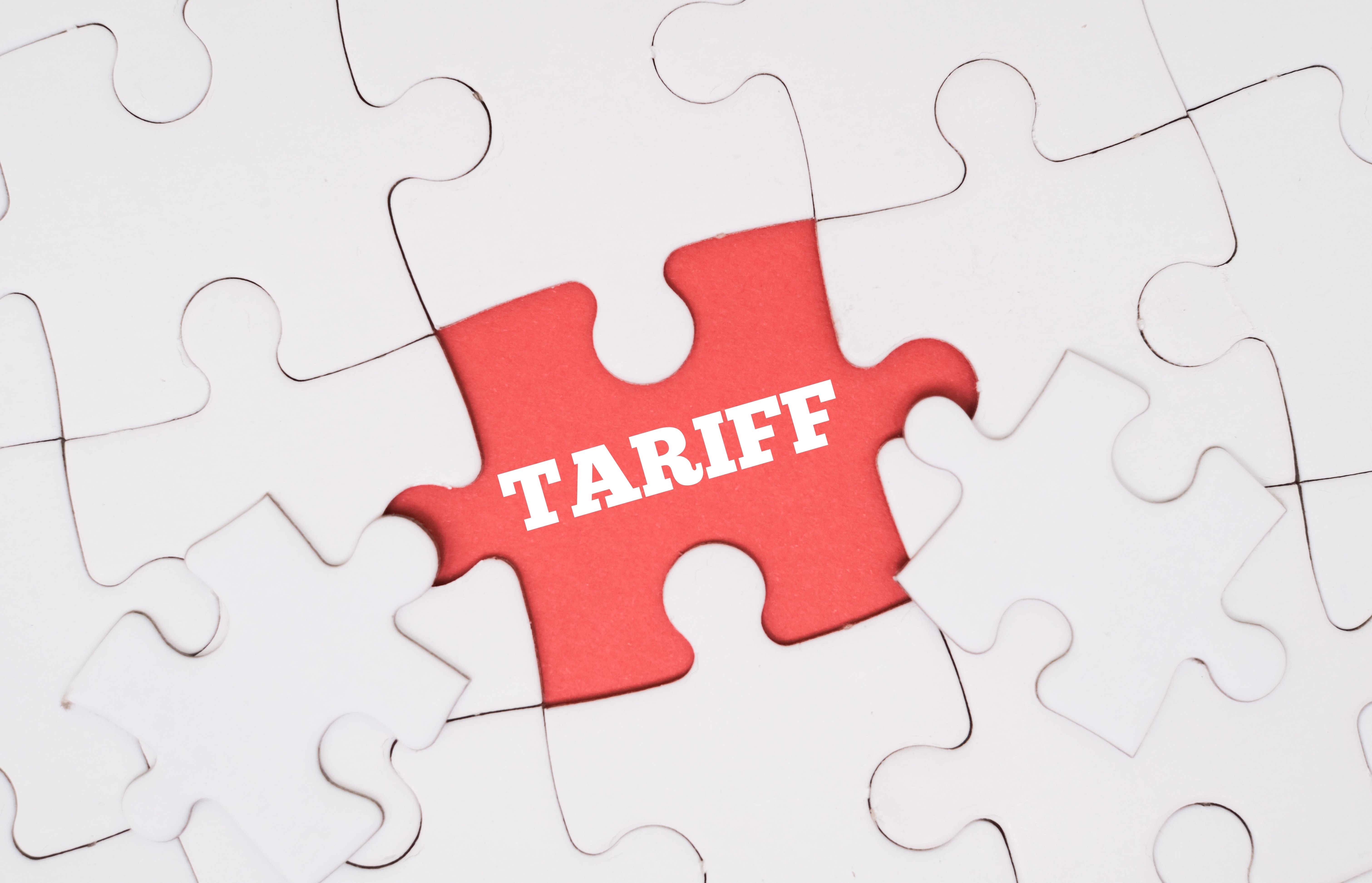
The United States tariff landscape is currently in flux following a major court decision that invalidated a significant portion of tariffs imposed by the Trump administration. In February 2026, the U.S. Supreme Court ruled in Learning Resources, Inc. v. Trump that tariffs imposed under the International Emergency Economic Powers Act (IEEPA) were unlawful because the statute does not grant the president authority to impose tariffs; that power rests with Congress. President Trump promptly issued new tariffs under other legal provisions (but that’s the subject of another article).
Because the court invalidated the legal basis for the IEEPA tariffs, the natural next question is: what happens to all the money that was collected?
Estimates suggest the total amount could exceed $100 billion. For retailers who paid those tariffs as the importer of record, there may be an opportunity to recover at least some of those funds.
However, the process will not be automatic. The U.S. Court of International Trade and U.S. Customs and Border Protection (CBP) are now working through the logistics of how refunds might be handled. With hundreds of thousands of importers and millions of import transactions potentially affected, the administrative challenge is significant.
Retailers should be aware that the situation remains fluid. On March 12, the CBP provided a short report on how the refund process will occur. Notably, it is developing an automated process that includes four components: (1) a claims portal, (2) mass processing, (3) review and liquidation, and (4) refund.
For now, the key takeaway is this: retailers who paid tariffs over the past several years may have a meaningful opportunity to recover some of those costs—but patience and careful attention to the evolving rules will be essential.
As always, Michigan Retailers Association will continue monitoring developments and will keep our members informed as the situation unfolds.
.svg)